
Revolutionize Your Warehouse: Unlock Cost-Effective Management with Automation!
Embracing strategic automation turns warehouse challenges into opportunities, propelling business growth within budget constraints.
In the fast and unpredictable world of business today, running a warehouse can be really tough. There are so many things to keep track of, and it takes up a lot of time, energy, and money. But if we use smart technology like Best Warehouse Management Software to automate some of these processes, we can turn these challenges into chances to make our business better and grow, even when we have limited resources.
In this blog post, we will discuss some of the types of warehouse automation and how they drive cost savings. We will also discover some important perks of automation in warehouse management.
Understanding Warehouse Automation
Warehouse management automation is all about streamlining crucial processes like inventory movement through innovative technological solutions. While robots often come to mind, the real magic lies in software that simplifies operations, reduces manual labor, and boosts efficiency.
Types of Warehouse Automation
1. Digital Automation
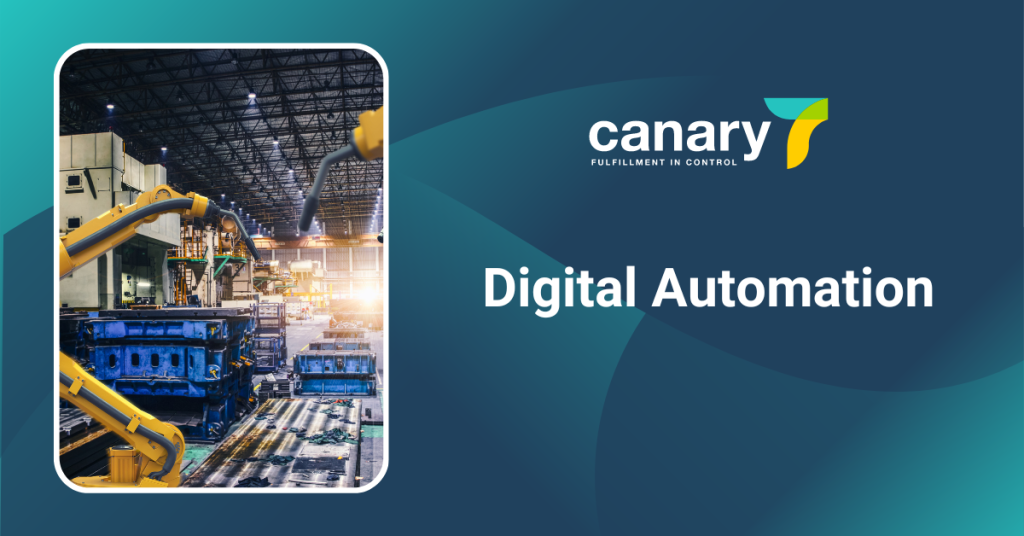
Digital automation leverages data and software to optimize workflows. Cutting-edge technologies such as mobile barcoding, RFID, and AIDC systems seamlessly integrate with ERP platforms, enhancing security and efficiency while minimizing risks. For instance, mobile barcoding can slash inventory count times, and RFID tags offer real-time tracking, ensuring precise inventory levels.
2. Physical Automation
Physical automation utilizes advanced technology, including robotics, to handle tasks traditionally performed by humans. By relieving employees from physically demanding duties, physical automation improves workflow efficiency and safety. Imagine Automated Guided Vehicles (AGVs) zipping around your warehouse, transporting goods swiftly and reducing the need for manual labor.
How Warehouse Automation Drives Cost Savings
Implementing warehouse automation unlocks substantial cost savings through several impactful mechanisms:
1. Slashing Picking Costs

Automation streamlines the picking process by efficiently grouping orders, minimizing bottlenecks, and speeding up order processing. This leads to happier customers and enhanced operational agility. Automated picking also aligns perfectly with inventory availability, swiftly addressing shortages and preventing business disruptions.
2. Maximizing Floor Space Utilization
Automated storage solutions like the Warehouse Management System UK make the most of your warehouse space. Vertical storage systems, for example, allow businesses to reduce the need for expensive expansions. Automation also makes organizing storage items like dividers, totes, and drawers a breeze, ensuring every inch of space is used optimally.
3. Eliminating Error-Related Costs
Automation dramatically reduces errors in picking and other operations, ensuring higher accuracy and cutting costs related to returns, reshipping, and customer dissatisfaction. Automated systems provide precise data, significantly lowering the risk of costly mistakes.
4. Reducing Labor Costs
By automating repetitive tasks, employees can focus on higher-value activities, boosting productivity and cutting labor costs over time. Automation guides staff directly to the needed inventory, saving time and enhancing efficiency. This allows a smaller workforce to handle larger volumes of work, reducing overall labor expenses.
5. Optimizing Inventory Management
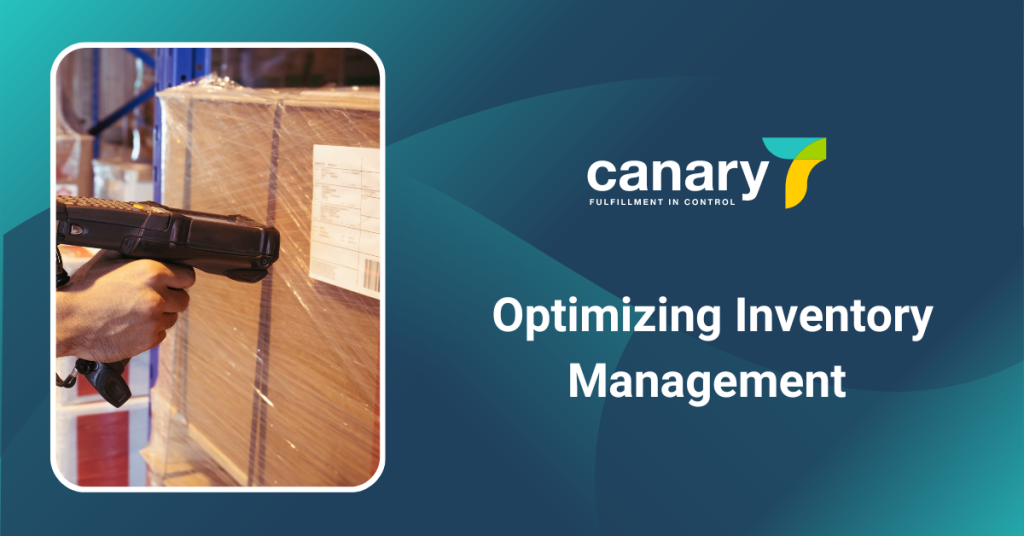
Automated inventory systems offer real-time visibility and accurate data on stock levels, preventing stockouts and overstocking. This results in smarter purchasing decisions and reduced waste, ensuring optimal inventory levels at all times. Better forecasting aligns stock levels with actual demand, cutting costs associated with excess inventory.
6. Enhancing Overall Efficiency and Savings
Warehouse management automation fine-tunes operational processes while maintaining efficiency, boosting profit margins and customer satisfaction. By spending less and gaining more through improved processes, businesses can hit their key performance indicators (KPIs) more effectively.
Beyond Cost Savings: Additional Perks of Warehouse Automation
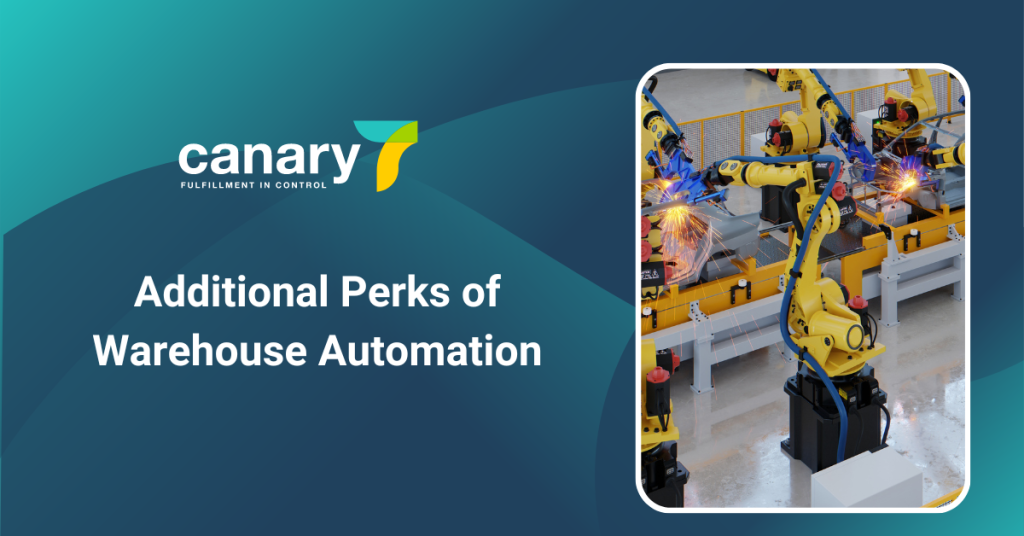
Boost Labor Efficiency: Automation offloads repetitive tasks from your employees, freeing them for higher-value activities. This means less time walking and more time fulfilling orders, leading to a leaner, more efficient workforce.
Minimize Errors and Refunds: Manual picking is prone to errors. Automation ensures accurate picking and order fulfillment, reducing incorrect shipments, refunds, and replacements, and saving money.
Maximize Space: Warehouse space is premium. Automation solutions like vertical storage and automated retrieval systems make better use of your space, freeing up valuable floor areas for order fulfillment.
Avoid Overstocking and Stockouts: Automated inventory management tracks stock levels in real time, prompting reorders before items run out. This prevents costly overstocking and stockouts, ensuring you always have the right products on hand.
Diving Deeper: Specific Automation Technologies
- Robotics: AGVs and Goods-to-Person Systems significantly boost efficiency and reduce labor costs.
- Artificial Intelligence (AI): Predictive analytics and computer vision enhance inventory management and quality control.
Tackling Challenges and Considerations
- Return on Investment (ROI): Conduct a thorough ROI analysis to justify automation investments.
- Change Management: Implement effective strategies to address employee resistance and ensure smooth transitions.
- Data Security: Protect sensitive information with robust security measures.
Showcasing Success: Case Studies and Real-World Examples
Highlighting successful automation implementations and their impact on cost savings and efficiency can inspire confidence and illustrate potential benefits.
Peeking into the Future:
Emerging TechnologiesExplore the potential of drones, wearable technology, and autonomous mobile robots in revolutionizing warehouse automation.
Tailoring Automation: Customization and Personalization
Assess your warehouse’s unique needs to determine the best automation solutions. Consider factors like size, order volume, and budget to tailor the perfect strategy.
How to Get Started: Automate Your Warehouse
To effectively implement warehouse automation, invest in comprehensive warehouse management software (WMS) like the Canary7 Warehouse Management System. These systems offer end-to-end automation solutions, from order management to inventory control, ensuring seamless integration and efficiency. Starting with modular automation solutions allows businesses to scale efforts gradually, tailoring them to specific needs and budgets.
Conclusion: Embrace the Future
In today’s competitive business environment, optimizing warehouse operations is crucial for sustainable growth. Embracing automation can significantly reduce costs, improve efficiency, and enhance customer satisfaction. Invest in the right automation technology today to revolutionize your warehouse management and achieve long-term financial benefits.
See Canary7 Running In Your Warehouse

A Demo Built Around Your Warehouse
.svg)
